



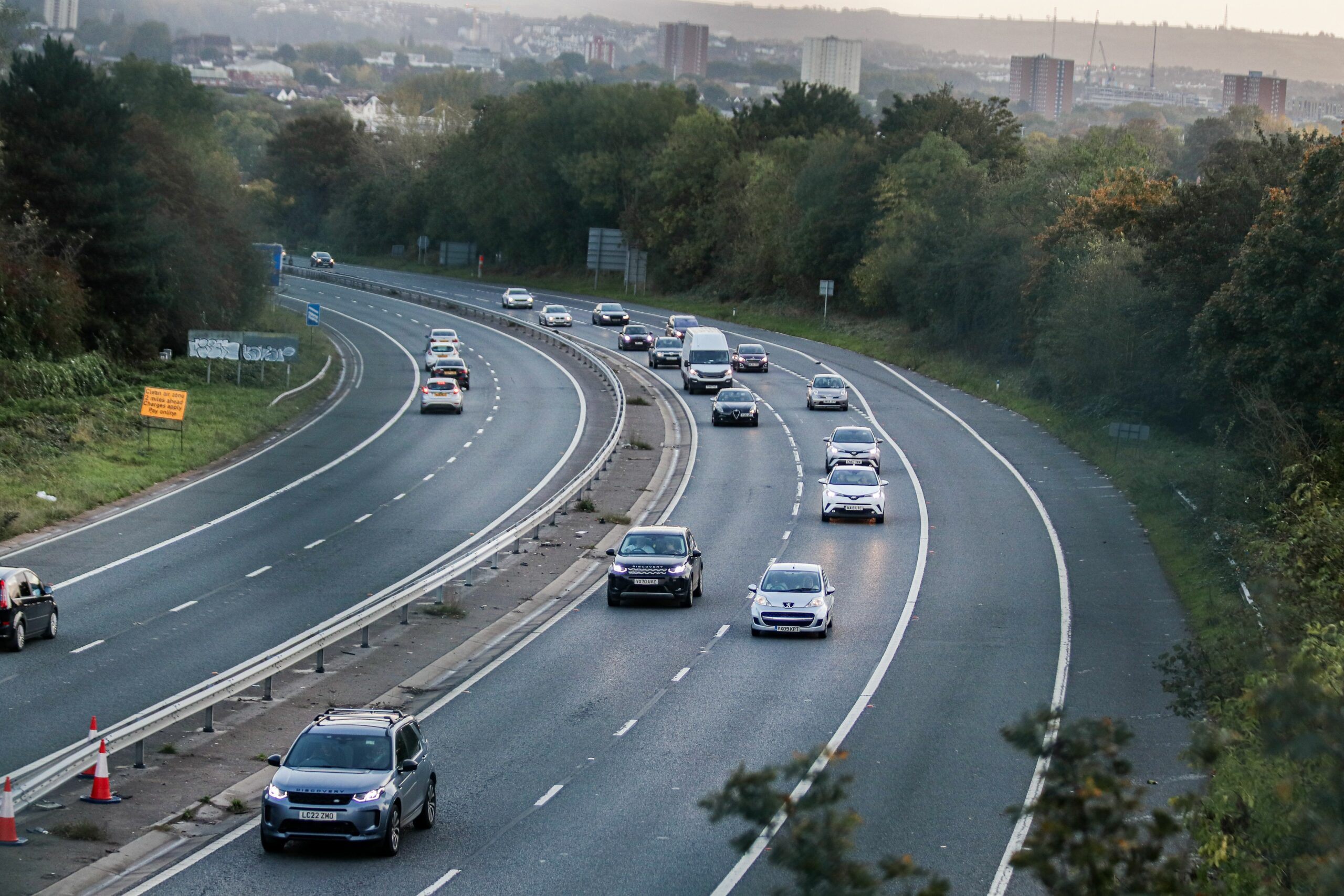
Effective from 6 April 2026, the approved rate for cars and vans has increased from 45p to 55p per mile for the first 10,000 business miles driven during a tax year.
The measure was confirmed by Chancellor Rachel Reeves in May 2026 and applies retrospectively from the beginning of the 2026/27 tax year. As a result, employees, company directors, sole traders and businesses may be able to benefit from higher tax-free mileage payments and increased tax relief on qualifying journeys.
The Approved Mileage Allowance Payments (AMAP) system provides a simplified way of claiming vehicle-related business expenses. Instead of tracking and claiming individual motoring costs, taxpayers can use HMRC’s fixed mileage rates to calculate their allowable deductions.
The approved rate is intended to cover a range of vehicle expenses, including fuel, servicing, repairs, insurance, road tax, depreciation and other day-to-day running costs. Anyone using the mileage allowance method cannot claim these expenses separately.
While a 10p increase per mile may appear modest, the cumulative benefit can be considerable. A person travelling 8,000 business miles, for example, could previously claim £3,600 under the 45p rate. Under the revised allowance, the same mileage would generate a claim of £4,400, providing an additional £800 of deductible expenditure. Depending on the taxpayer’s marginal rate of tax, this could translate into a tax saving of up to £160 for a basic-rate taxpayer or £320 for a higher-rate taxpayer.
One of the key features of the announcement is its retrospective application. Because the new rate takes effect from 6 April 2026, business mileage already undertaken during the current tax year may qualify for additional relief. Employees should review claims submitted since that date, while employers may need to reassess reimbursement arrangements and payroll processes. Directors and self-employed individuals should also ensure that their records reflect the updated rates when calculating their tax position.
It should be noted that employers are not legally required to reimburse employees at HMRC’s approved mileage rates. However, where reimbursement falls below the approved amount, or no reimbursement is provided, employees may be eligible to claim Mileage Allowance Relief (MAR) on the shortfall. Claims can be submitted through a self-assessment tax return, HMRC’s online expenses service for claims of up to £2,500, or by completing Form P87.
The increase in the mileage allowance is a significant development for anyone who uses a personal vehicle for business purposes. Whether you are an employer reviewing reimbursement policies, an employee seeking to maximise available relief, or a self-employed individual calculating allowable expenses, now is an ideal time to review your records and ensure you are benefiting from the revised rates. Professional advice can help ensure claims are accurate, compliant and fully optimised under the latest HMRC guidance.
Please your usual advisor on 01633 810081 to discuss this further or you may prefer to email info@kilsbywilliams.com for more general enquiries and advice.