

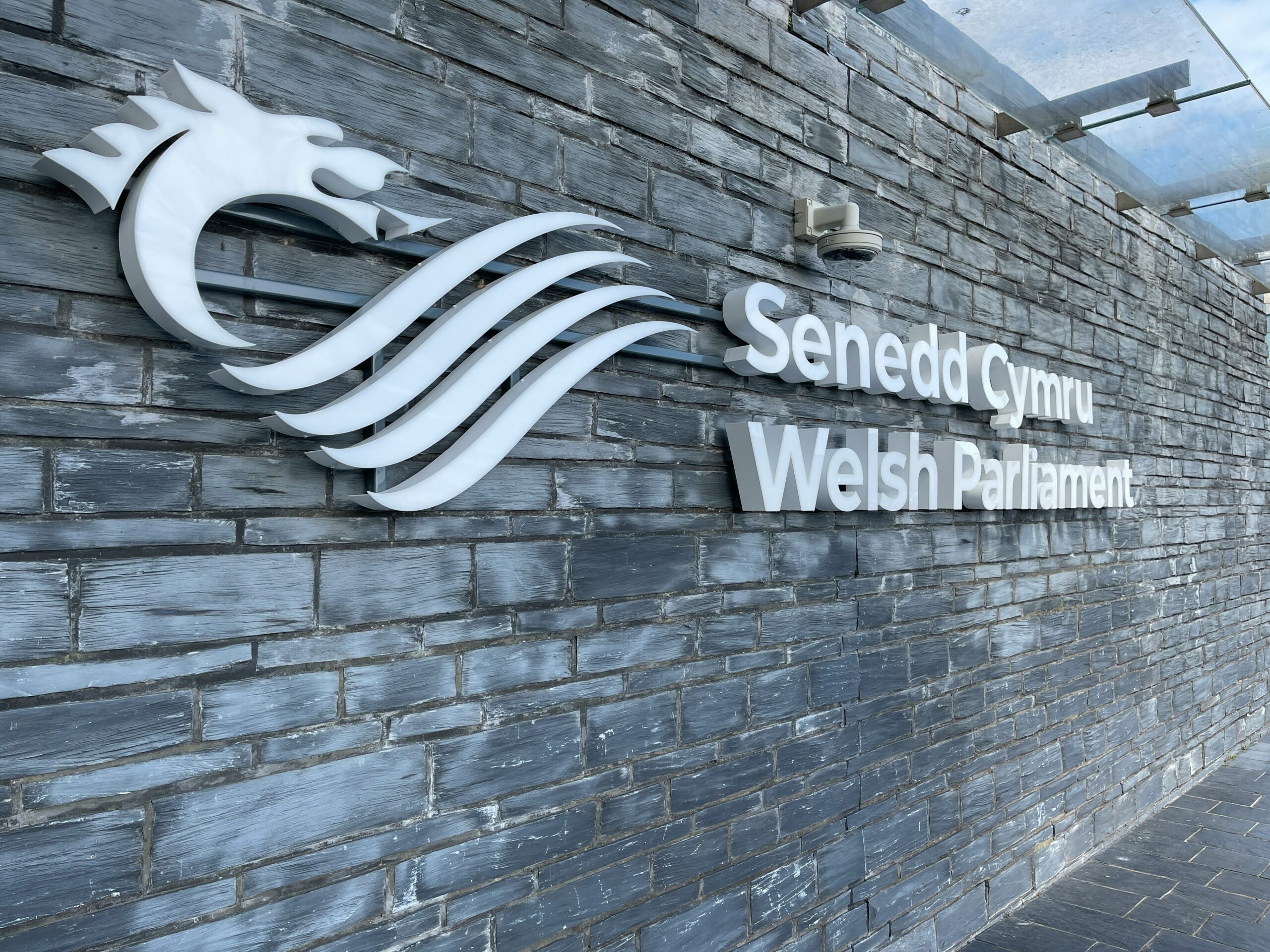
While Wales has limited tax powers compared to Westminster, some taxes are devolved and the election result will influence how tax is paid by businesses and individuals. From promises of stability to plans for structural reform, each party has its own approach.
Welsh Labour: stability and gradual reform
The incumbent party is focusing on stability in its bid to build a stronger, greener and fair economy. The Senedd has the power to set income tax rates (basic, higher and additional rates) in its annual budgets, with Welsh income tax applying to non-savings and non-dividend income of taxpayers. Since 2019/20, the rates have been kept the same as the UK and Welsh Labour is committing to not raising Welsh rates of income tax over the next Senedd term, freezing the rates.
While there are no major changes as the party seeks to demonstrate that it will manage the country’s finances responsibly, the manifesto explores the ideas of expanding Wales’ income tax powers, introducing a vacant land tax to encourage development, and making council tax fairer.
Plaid Cymru: control and fairer funding
Plaid Cymru promises a government with ‘new energy’ and ‘new ideas’. This is reflected in its vision for a fairer and more Wales-specific taxation system.
A key priority for the party is to gain control of greater tax powers from Westminster so they have the ability to fully manage income tax bands in Wales and introduce a vacant land tax to bring more land back into residential and business use. Believing the current system is long overdue some reform, the party also proposes amendments to existing devolved taxes including making council tax fairer, reviewing land transaction tax to better support first-time buyers and reducing business taxes for high streets.
Reform: low tax and high voter input
The first of the party’s core pledges in its manifesto is about cutting taxes and putting money back into voters’ pockets. The measures set out by Reform promote a low-tax economic environment that gives taxpayers more control, with the party stating that unless a Welsh-controlled tax or levy has been set out in the manifesto, and approved by voters, it will not be introduced.
Its manifesto promises cover changes to income tax, council tax and business rates. Reform promises to cut 1p off every pound on all bands of Welsh income tax by the end of the Senedd term, funded through reductions in other expenditure without cuts to essential services. With regard to council tax, any increases above 4.99% would be put to a referendum locally, while a thorough review of the business rates system would be undertaken with a view to introduce long-term structural reform that promotes growth, employment and investment.
Welsh Conservatives: cuts across the board
The Welsh Conservatives were the first to launch their manifesto called ‘Fix Wales’ in which they state that a Welsh Conservative government will cut taxes. The key proposals are to cut the basic rate of income tax by 1p, which the party suggests will save the average working family £450 per year, and ditch land transaction tax on primary residences to promote mobility in the housing market.
For businesses, the party pledges to scrap business rates for small businesses, pilot business rate free periods for new retail businesses opening on Welsh high streets and re-establish a Welsh Development Agency to attract inward investment. On a sector-specific level, the party seeks to cut the tourism tax and family farms tax to support hospitality, leisure and agriculture.
Wales Green Party: sustainable alternatives
The Wales Green Party plans to replace existing systems with alternatives aimed at fairness and sustainability, aligning with the party’s goals of lowering inequality and supporting long-term economic and environmental sustainability. This is most obvious in its plans to press the UK Government for a ‘polluter pays’ tax, targeting high-emitting industries that contribute to environmental damage.
Both council tax and business rates would be replaced by land value-based tax systems, supporting the average household and small businesses while owners of more valuable properties and large corporations would be required to contribute more. Like Welsh Labour and Plaid Cymru, the Green Party also want to introduce a vacant land tax to ensure unused land is put to use.
Welsh Liberal Democrats: review rates for future reform
Like Plaid Cymru, the Welsh Liberal Democrats want to gain greater powers from Westminster including full powers to change income tax rates and thresholds. For businesses, the party pledges to regularly review business rate relief thresholds across all sectors to reflect inflation, industry needs and economic conditions, as well as develop a long-term plan to reform business taxation in Wales.
Tax policy will play an important role in Wales’ economic future and should be a consideration for voters as they head to the polls. This is not a comprehensive or detailed summary of all the policies and plans, but a few of the headlines that the parties seem to be setting out to the electorate. If you would like to discuss how these potential changes to Welsh taxation could affect yours or your business’ financial affairs, please contact our tax team.